
In today’s digital landscape, businesses depend heavily on uninterrupted access to websites, applications, and online services. Even a few minutes of downtime can lead to lost revenue, reduced customer trust, and operational disruptions. This makes high availability one of the most important factors when choosing a hosting solution.
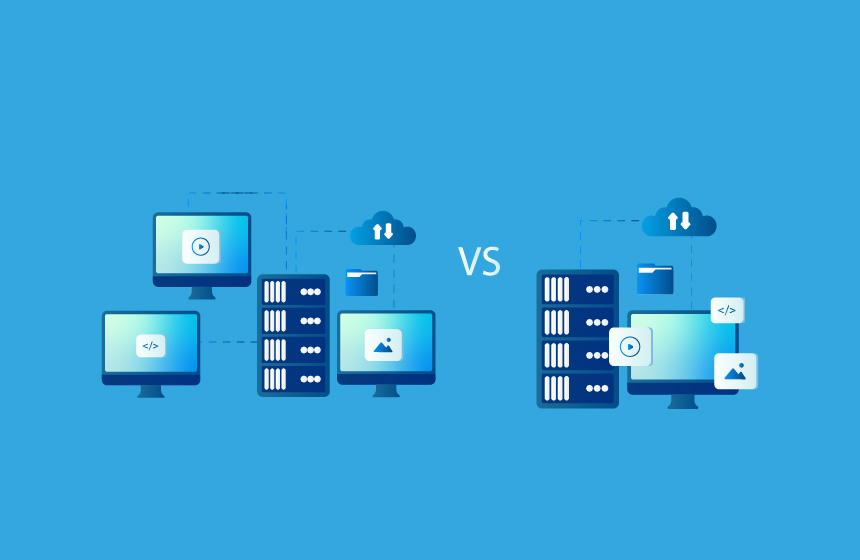
A common question many businesses ask is: how does cloud VPS ensure high availability? The answer lies in the architecture of cloud-based infrastructure. Unlike traditional hosting solutions that rely on a single server, cloud VPS uses a distributed system designed to minimize downtime and maintain continuous service.
Providers like HostingSource offer cloud VPS hosting solutions built to deliver high availability, ensuring that websites and applications remain accessible at all times.
What Is High Availability in Hosting?
High availability refers to the ability of a hosting system to remain operational and accessible with minimal downtime. It ensures that services continue running even in the event of hardware failures, network issues, or unexpected disruptions.
High availability is typically measured in uptime percentages. For example, 99.9% uptime means minimal downtime throughout the year. Cloud VPS hosting aims to achieve even higher availability by using advanced infrastructure and redundancy mechanisms.
What Is Cloud VPS Hosting?
Cloud VPS hosting is a virtual private server environment built on a network of interconnected servers rather than a single physical machine. Resources such as CPU, RAM, and storage are distributed across multiple servers.
This distributed architecture allows cloud VPS hosting to deliver improved performance, scalability, and reliability compared to traditional VPS hosting.
HostingSource leverages cloud infrastructure to provide VPS hosting solutions that support continuous availability and stable performance.
How Does Cloud VPS Ensure High Availability?
Cloud VPS hosting ensures high availability through several key technologies and strategies.
1. Distributed Infrastructure
Cloud VPS hosting operates on multiple servers connected within a network. Instead of relying on a single machine, workloads are distributed across several nodes.
If one server experiences issues, other servers in the network continue to handle requests, ensuring uninterrupted service.
2. Redundancy
Redundancy is a core component of high availability. Cloud VPS systems duplicate critical components such as data storage, network connections, and power supplies.
This means that if one component fails, a backup system immediately takes over without affecting operations.
3. Automatic Failover
Cloud VPS hosting includes automatic failover mechanisms. When a server or component fails, the system automatically shifts workloads to another server in the network.
This process happens in real time, minimizing downtime and maintaining service continuity.
4. Load Balancing
Load balancing distributes incoming traffic across multiple servers. This prevents any single server from becoming overloaded and ensures consistent performance.
By balancing workloads, cloud VPS hosting maintains stability even during traffic spikes.
5. Data Replication
Cloud VPS environments replicate data across multiple servers. This ensures that data remains accessible even if one server fails.
Data replication also improves performance by allowing faster data retrieval from multiple locations.
6. Scalable Resources
Cloud VPS allows businesses to scale resources instantly. During high traffic periods, additional resources can be allocated to maintain performance and prevent downtime.
7. Continuous Monitoring
Cloud VPS hosting includes real-time monitoring systems that track server performance, network activity, and potential issues.
Monitoring tools detect problems early, allowing providers to resolve them before they impact availability.
HostingSource integrates these technologies into its cloud VPS hosting solutions to ensure reliable and uninterrupted service.
Cloud VPS vs Traditional VPS: Availability Comparison
| Feature | Cloud VPS | Traditional VPS |
|---|---|---|
| Infrastructure | Multiple servers | Single server |
| Failover | Automatic | Limited |
| Redundancy | High | Low |
| Scalability | Instant | Manual |
| Availability | Very high | Moderate |
Cloud VPS clearly offers superior availability due to its distributed and fault-tolerant design.
Benefits of High Availability for Businesses
High availability provides several advantages for businesses operating online.
Reduced Downtime
Continuous service ensures that websites and applications remain accessible to users.
Improved Customer Experience
Reliable performance leads to better user satisfaction and trust.
Increased Revenue
Minimizing downtime prevents loss of sales and business opportunities.
Better SEO Performance
Search engines favor websites with consistent uptime and fast loading speeds.
Use Cases for High Availability Cloud VPS
Cloud VPS hosting is ideal for businesses that require uninterrupted operations.
Ecommerce Platforms
Online stores need continuous availability to handle transactions and customer interactions.
SaaS Applications
Software platforms rely on high availability to serve users without disruptions.
High-Traffic Websites
Websites with large audiences benefit from stable performance during traffic spikes.
Enterprise Systems
Organizations running critical applications require reliable infrastructure.
Security and High Availability
Security plays a key role in maintaining high availability. Cyberattacks, such as DDoS attacks, can disrupt services and cause downtime.
Cloud VPS hosting includes security measures such as firewalls, intrusion detection systems, and traffic filtering to protect against threats. Combined with redundancy and failover mechanisms, these measures help maintain continuous service.
HostingSource ensures that its cloud VPS infrastructure includes strong security practices to support high availability.
How HostingSource Supports High Availability Cloud VPS
HostingSource provides cloud VPS hosting solutions designed to deliver high availability through distributed infrastructure and advanced technologies. By leveraging multiple servers, load balancing, and automated failover, HostingSource ensures that businesses can operate without interruptions.
The platform offers scalable configurations, allowing businesses to adjust resources based on demand. With continuous monitoring and optimized infrastructure, HostingSource supports reliable hosting environments for websites and applications.
HostingSource’s cloud VPS solutions are built to meet the demands of modern businesses that require consistent uptime and performance.
Choosing a High Availability Cloud VPS Provider
Selecting the right provider is essential for achieving reliable hosting.
Infrastructure Design
Providers should use distributed systems with redundancy and failover capabilities.
Uptime Guarantees
High uptime percentages indicate reliable hosting performance.
Scalability
The ability to scale resources ensures consistent performance during growth.
Support Services
Responsive support teams help resolve issues quickly.
HostingSource focuses on these factors to deliver cloud VPS hosting solutions that support business continuity.
Conclusion
Understanding how cloud VPS ensures high availability highlights the importance of modern hosting infrastructure. By using distributed systems, redundancy, automatic failover, and real-time monitoring, cloud VPS hosting minimizes downtime and ensures continuous service.
For businesses that depend on reliable online operations, cloud VPS hosting provides a strong foundation for stability and growth. Providers like HostingSource deliver cloud VPS solutions designed to maintain high availability, helping businesses operate confidently in a digital-first world.
Frequently Asked Questions About Cloud VPS High Availability
How does cloud VPS ensure high availability?
Cloud VPS uses multiple servers, redundancy, and automatic failover to maintain continuous service.
Is cloud VPS more reliable than traditional VPS?
Yes, cloud VPS offers higher reliability due to its distributed infrastructure.
What is failover in cloud VPS?
Failover is the process of automatically switching to a backup server when a primary server fails.
Who should use high availability cloud VPS?
Businesses with ecommerce platforms, SaaS applications, and high-traffic websites benefit from cloud VPS hosting.