
As businesses increasingly rely on digital platforms, the demand for hosting solutions that combine performance, flexibility, and reliability continues to rise. Traditional hosting models often struggle to keep up with modern workloads, especially when traffic patterns fluctuate or applications require high availability. This has led many organizations to adopt Cloud VPS as a smarter and more resilient hosting solution.
Cloud VPS combines the power of virtual private servers with the scalability and redundancy of cloud infrastructure. Instead of relying on a single physical server, Cloud VPS environments are built on distributed cloud resources, offering improved uptime, flexibility, and performance. HostingSource provides Cloud VPS solutions designed to support growing businesses that need dependable infrastructure without sacrificing control.
What Is Cloud VPS?
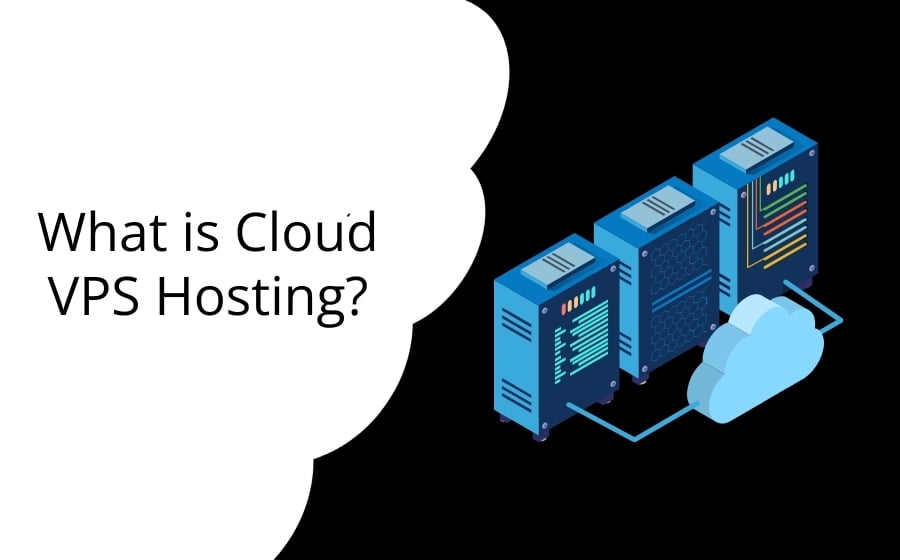
Cloud VPS, or Cloud Virtual Private Server, is a hosting environment where virtual servers run on a cloud-based infrastructure rather than a single physical machine. Resources such as CPU, RAM, and storage are allocated from a cluster of interconnected servers, creating a more flexible and resilient hosting environment.
Unlike traditional VPS hosting, which depends on one physical server, Cloud VPS spreads workloads across multiple nodes. This architecture allows resources to scale dynamically and reduces the risk of downtime caused by hardware failure.
Cloud VPS delivers the isolation and control of VPS hosting while leveraging the redundancy and scalability of cloud technology, making it ideal for modern business applications.
Why Businesses Are Choosing Cloud VPS
Modern businesses operate in environments where uptime and performance directly impact revenue and customer trust. Traffic spikes, application updates, and data growth require hosting solutions that can adapt quickly.
Cloud VPS addresses these needs by offering elastic resources that scale based on demand. Businesses can increase or decrease resources without service interruptions, ensuring optimal performance during peak periods.
Additionally, Cloud VPS improves reliability. If one server node experiences an issue, workloads can be shifted to another node within the cloud infrastructure. This high-availability design makes Cloud VPS a preferred choice for mission-critical websites and applications.
Cloud VPS vs Traditional VPS Hosting
Understanding the difference between Cloud VPS and traditional VPS hosting helps clarify its advantages.
Traditional VPS hosting runs on a single physical server divided into virtual environments. While this provides dedicated resources, it is still limited by the hardware capacity of that server.
Cloud VPS, on the other hand, operates across multiple servers within a cloud cluster. Resources are pooled and allocated dynamically, allowing for greater scalability and fault tolerance.
For businesses expecting growth or variable traffic, Cloud VPS offers more flexibility and resilience than traditional VPS hosting.
Performance Benefits of Cloud VPS
Performance is a key reason businesses migrate to Cloud VPS. Cloud-based infrastructure allows for faster resource allocation and improved load handling.
Cloud VPS environments can leverage SSD or NVMe storage, high-speed networking, and distributed computing power to deliver consistent performance. Applications benefit from faster response times, reduced latency, and improved stability.
HostingSource utilizes optimized cloud infrastructure to ensure its Cloud VPS solutions maintain high performance even during traffic surges or resource-intensive operations.
High Availability and Reliability
One of the strongest advantages of Cloud VPS is high availability. Because Cloud VPS environments are not tied to a single physical server, they are more resilient to hardware failures.
In the event of a node issue, workloads can be redistributed within the cloud infrastructure, minimizing downtime. This redundancy ensures continuous service delivery and improved uptime compared to single-server hosting models.
For businesses that cannot afford service interruptions, Cloud VPS provides a reliable foundation for critical operations.
Scalability and Flexibility With Cloud VPS
Scalability is a defining feature of Cloud VPS. Businesses can scale resources vertically by adding CPU, RAM, or storage, or horizontally by deploying additional VPS instances.
This flexibility supports businesses at every stage of growth. Startups can begin with modest resources and scale as demand increases, while established organizations can manage fluctuating workloads efficiently.
HostingSource structures its Cloud VPS offerings to support seamless scaling, allowing businesses to adapt quickly without complex migrations or downtime.
Security in Cloud VPS Environments
Security remains a top priority for businesses hosting data and applications in the cloud. Cloud VPS environments offer strong isolation between virtual servers, reducing exposure to cross-tenant risks.
Organizations can implement custom firewalls, access controls, and monitoring tools to meet their security requirements. Regular backups and disaster recovery options further enhance data protection.
Cloud VPS also supports compliance needs by enabling businesses to configure environments aligned with regulatory standards. This makes Cloud VPS suitable for industries handling sensitive or regulated data.
How HostingSource Delivers Cloud VPS Solutions
HostingSource focuses on delivering Cloud VPS solutions that balance performance, reliability, and scalability. By leveraging cloud-based infrastructure and modern virtualization technology, HostingSource provides environments designed to support business growth.
The emphasis on resource flexibility allows businesses to adjust infrastructure as needs evolve. HostingSource’s Cloud VPS solutions are designed to minimize downtime, support high availability, and deliver consistent performance.
Optional managed services further enhance value by reducing the operational burden on internal teams, allowing businesses to focus on core objectives rather than infrastructure management.
Common Use Cases for Cloud VPS
Cloud VPS is widely used across industries due to its adaptability.
Ecommerce platforms rely on Cloud VPS to handle variable traffic and ensure secure, uninterrupted transactions. SaaS companies use Cloud VPS to deploy applications that require scalability and high availability.
Agencies and developers benefit from Cloud VPS by creating flexible environments for multiple projects. Content platforms and media websites use Cloud VPS to deliver consistent performance during traffic spikes.
In each case, Cloud VPS provides the infrastructure needed to support modern digital operations.
Managed vs Unmanaged Cloud VPS
Businesses choosing Cloud VPS must decide between managed and unmanaged options.
Managed Cloud VPS includes provider support for server maintenance, updates, monitoring, and security. This option is ideal for organizations without dedicated IT teams.
Unmanaged Cloud VPS offers full control and customization but requires technical expertise to manage configurations and security. This option suits experienced developers and IT professionals.
HostingSource offers flexibility in both models, allowing businesses to choose the Cloud VPS setup that aligns with their operational capabilities.
Key Considerations Before Choosing Cloud VPS
Before adopting Cloud VPS, businesses should assess performance requirements, scalability needs, and budget considerations. Understanding application workloads and expected growth helps determine appropriate resource allocation.
Cost transparency is also important. Cloud VPS pricing should align with usage patterns to avoid unexpected expenses.
Choosing a reliable provider with proven infrastructure quality and responsive support ensures Cloud VPS delivers long-term value.
Conclusion: Why Cloud VPS Is a Smart Hosting Choice
Cloud VPS represents the evolution of VPS hosting, combining dedicated virtual environments with the scalability and resilience of cloud infrastructure. It offers businesses the flexibility, performance, and reliability needed to operate in today’s digital landscape.
HostingSource demonstrates how Cloud VPS solutions can support scalable growth, high availability, and secure operations. For organizations seeking a future-ready hosting solution, Cloud VPS provides a powerful and adaptable foundation.
Frequently Asked Questions About Cloud VPS
What is the main advantage of Cloud VPS?
Cloud VPS offers scalability and high availability by distributing resources across multiple servers rather than relying on a single machine.
Is Cloud VPS better than traditional VPS hosting?
Cloud VPS provides greater flexibility and reliability, especially for businesses with variable traffic or growth needs.
Can Cloud VPS handle high-traffic applications?
Yes, Cloud VPS is designed to scale dynamically and handle high traffic efficiently.
Do businesses need technical expertise for Cloud VPS?
Managed Cloud VPS requires minimal expertise, while unmanaged Cloud VPS requires server administration skills.